There are two traditions for the theme of the Last Sunday of the Church Year.
The older tradition is the emphasis of End Time and its transition into Advent. In the Historic Lutheran Lectionary, the Gospel for the Last Sunday of the Church Year was the parable of the ten virgins, with the emphasis on readiness for Christ’s return. Sometimes this was called “Sunday of the Fulfillment.” (See Wikipedia article on Totensonntag.)
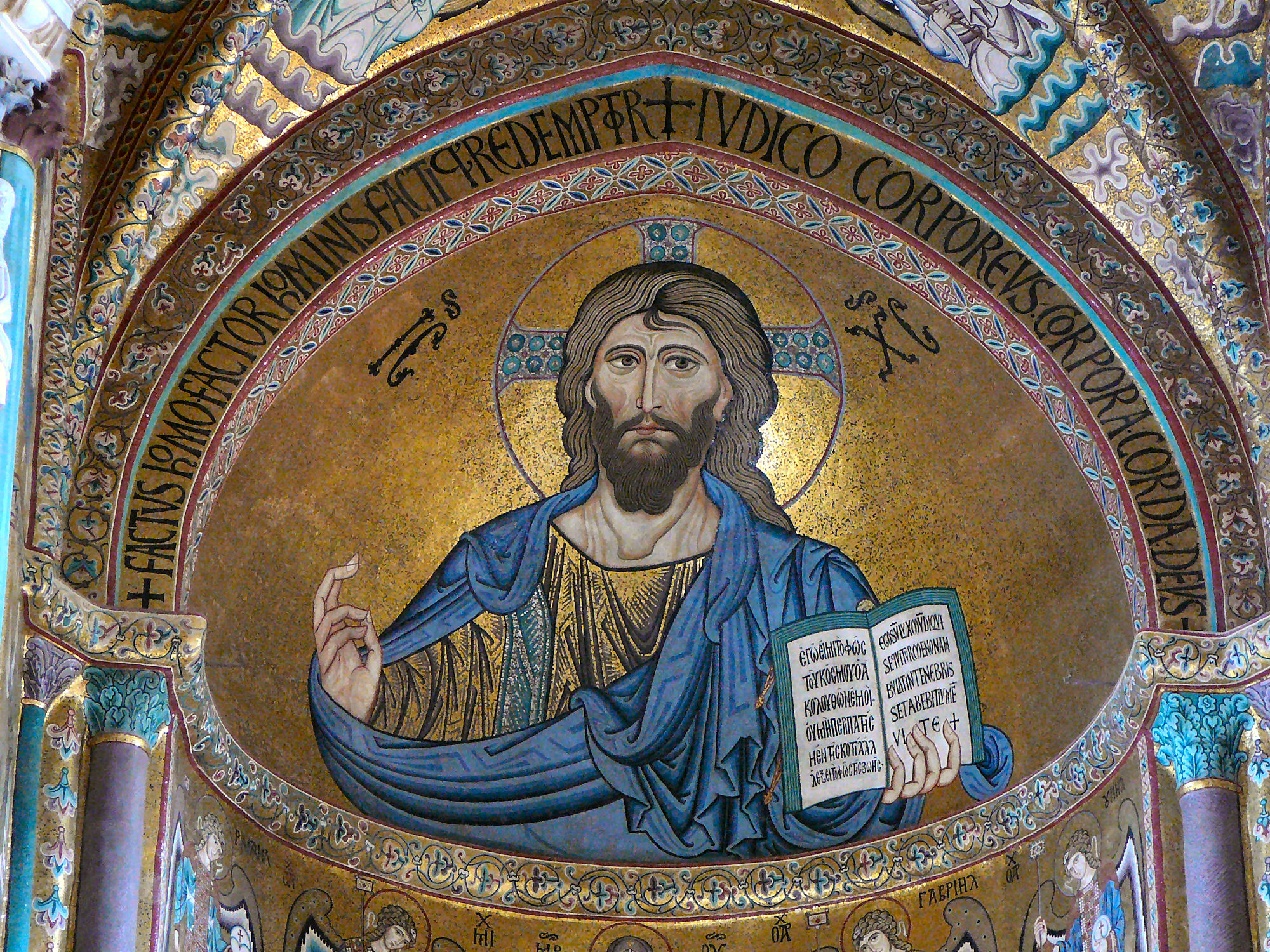
The newer tradition is the observance of Christ the King, which is also fitting. Christ is the Alpha and the Omega, the beginning and end of all things. Often Christ the King has a passion emphasis, which shows us that Christ as King is not always what we would expect. The Passion Gospels are an opportunity to proclaim the Theology of the Cross. Even as King, Christ suffered, and he revealed the glory of his love in his suffering. As his loyal subjects, we can expect suffering in the world, too.
The following prayers / collects were originally composed or chosen to go with the historic lectionary, a series of lessons that developed in the early church. It was a one-year series, that is, the same lessons would be read on the same Sundays, each year.For the historic lectionary on an interactive calendar, see www.sanctus.org.
Most of the collects designated as “historic” come from the sacramentaries of the Roman church.
The collects designated as “Mozarabic” come from the ancient Spanish church around the year 700. The Mozarabic church was isolated from the rest of Europe while Spain was occupied by Muslims. The Mozarabic tradition of liturgy and prayer developed independently from worship in Europe and Rome.
Veit Dietrich was a friend and associate of Martin Luther, and these prayers were written in the 1540s as part of a commentary on the historic gospels. They appeared in The Lutheran Hymnary (1913), a worship book prepared by Norwegian-American Lutherans.


















 A Collection of Prayers