Prayer for the Fourth Sunday after Pentecost

O Lord, our God,
you have commanded us
to speak righteousness,
and to judge fairly;
Grant that no sin may be found in our mouths,
nor wickedness in our minds,
but that, from pure hearts,
we may speak those things that are right;
through Jesus Christ our Lord.
Amen.

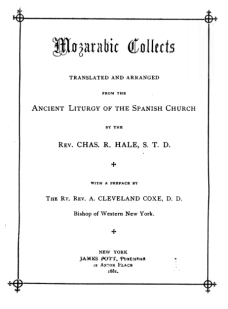
Source: Freely modified from Mozarabic Collects, ed. Rev. Chas. R. Hale, New York, 1881, p. 31 #1 (Trinity 3)

“you have commanded us to speak righteousness” is a reference to Psalm 37:30Proverbs 8:8,

“and to judge fairly” is a reference to John 7:24

“no sin may be found in our mouths” is a reference to Psalm 39:1Psalm 59:12Ecclesiastes 5:6

“pure hearts” is a reference to Psalm 24:41 Timothy 1:52 Timothy 2:221 Peter 1:22


Mozarabic, ad.


Prayer for the Third Sunday after Pentecost

O God, you alone are holy,
by your grace you have purified the unholy,
and have written our names in heaven.
Continue to sanctify us by your Spirit
and cleanse us from every spot of sin,
that we may live to your glory;
through Jesus Christ,
our most blessed Lord and Savior.
Amen.

Source: Based upon Mozarabic Collects, ed. Rev. Chas. R. Hale, New York, 1881, p. 30 #3 (Trinity 2)

Original reads: O God, you alone are holy, by your grace you purify the unholy. Cleanse us from every spot of sin, so that, justified by you, our names may be written in heaven; through Jesus Christ, our most blessed Lord and Savior. Amen.

“O God, you alone are holy” is a reference to Revelation 15:4

“you have purified the unholy” is a reference to Malachi 3:3

“written our names in heaven” is a reference to Isaiah 6:6-7

“cleanse us from every spot of sin” is a reference to 1 John 1:7, See also Psalm 51:2


Mozarabic, ad.


About the Mozarabic Rite

The People

“Mozarabic” is really a term historians use for Christians who lived in Spain under Muslim or Arab rule. It literally means “among the Arabs.” The people never would have called themselves “Mozarabs.”
The Rite

The Mozarabic Rite (sometimes called the Visigothic, Hispanic or Andalusian Rite) had its beginnings in the seventh century with the invasion of the Arabs from the south and the southern Spanish Christians being cut off from the rest of Europe. It was a complete rite tradition, that is, they developed liturgies and prayers for the church year independently of Rome–most probably because of their isolation under Arab rule. Mozarabic liturgy and prayer are similar to the Mass and prayers of the Roman rite, only the prayers (collects) seem to be a bit freer in form and a bit more substantial in meaning than the prayers from the Gregorian or Gelasian sacramentaries. There is a connection between the Mozarabic Christians and the Eastern Rite Christians (Greek/Eastern Orthodox). Some scholars also see some traces of the worship of early Celtic Christians in the Mozarabic Rite (2000 Years of Prayer, ed. Michael Counsell, p. 84).

Why So Much Mozarabic?

MCSince the Mozarabic Rite developed its own rites and prayers for each Sunday and the liturgies of the hours each day there are a lot of prayers from the Mozarabic tradition out there. Since  A Collection of Prayers is about meaning in prayers and gathering prayers that are rich in meaning, the Mozarabic Rite has become a favorite source. The chief source for Mozarabic prayers is the book Mozarabic Collects based on the translation and arrangement from the Ancient Liturgy of the Spanish Church by the Rev. Charles R. HaleWhen I found the book last year, I got the electronic text from the pdf, and began reworking the English text to preserve and emphasize meaning. The result was The New Mozarabic Collects: A Revision and Refreshing of ‘Mozarabic Collects’ by Charles R. Hale (Available for Kindle only).

There are other prayers that I find from time to time that are ascribed to the the following sources:

  • B_Escorial_93v[1].jpgMozarabic Rite or Mozarabic Liturgy (this would include everything related to the worship of Mozarabic Christians.)
  • Mozarabic Sacramentary (A Sacramentary is a book that would be on the altar containing all liturgy and prayers needed to conduct a service. The Mozarabic Collects would be from the Sacramentary)
  • Mozarabic Breviary (A Breviary is a small book of prayers, or a book containing shortnened Matins and Vespers devotions, along with daily readings, based on the Church Year.)
  • Mozarabic Psalter (A psalter is a book with the text of the psalms, along with antiphons and prayers said or chanted during liturgies of the hours.)

Mozarabic Chant

Gregorian chant seems to be very even and measured. Mozarabic chant shows the middle-eastern influence with twists and turns. In many ways it resembles chants from the Maronite / Syriac Christian tradition and Islamic chants. Here’s a selection of Mozarabic chants on YouTube:

Our collection of Mozarabic prayers can be read here: https://acollectionofprayers.wordpress.com/tag/mozarabic/


Mozarabic, ad.


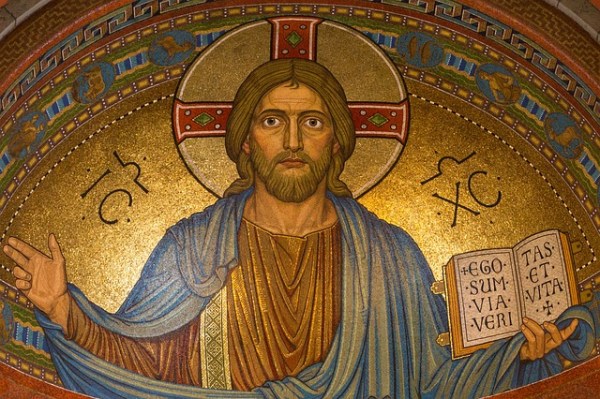
The Splendor of Eternal Light

christ-898330_640.jpg

May the Lord + Jesus Christ,
who is the splendor of eternal Light,
remove from your hearts
the darkness of night. Amen.

May he drive far from you
the snares of the crafty enemy,
and always give you
his angel of light
to guard you. Amen.

That you may rise to your morning praises,
kept safe in him,
in whom is all
the fullness of your salvation.
Amen.

Source: Attributed to Mozarabic Psalter, possibly 8th century.


Mozarabic, ad.

Christian Prayer, Banner


Prayer for the Second Sunday after Pentecost

O God,
your angels always enjoy your peace,
and you also share your peace with us.
In our time on earth, lead us in the way of peace,
and give us complete peace
in our inheritance in your kingdom;
through your Son,
Jesus Christ, our Lord.
Amen.

Source: Freely modified from Mozarabic Collects, ed. Rev. Chas. R. Hale, New York, 1881, p. 30 #2 (Trinity 1)

“lead us in the way of peace” is a reference to Luke 1:79


Mozarabic, ad.


Prayer for the Holy Trinity

Father, Son and Holy Spirit,
three persons, but one God,
enlighten our hearts and minds,
make us steadfast in the true faith,
equip us for good works,
and bring us to life eternal;
through your mercy, O our God,
you are blessed,
and live and govern all things,
now and forever.
Amen.

Source: Freely modified from Mozarabic Collects, ed. Rev. Chas. R. Hale, New York, 1881, p. 30 #1

“Father, Son and Holy Spirit” is a reference to Matthew 28:19

“but one God” is a reference to Deuteronomy 6:4

“make us steadfast in the true faith” is a reference to 1 Corinthians 15:58Colossians 1:23

“equip us for good works” is a reference to2 Timothy 2:212 Timothy 3:17Titus 3:1


Mozarabic, ad.


Give Us Your Spirit

O God,
at this time, you sent your Holy Spirit on your apostles,
and clothed them with power from on high.
Grant that the same blessed Spirit,
working in and through the ministers of your Church,
may make the Word preached and the sacraments administered by them
effectual to the salvation of many souls;
through your mercy and for the sake of Jesus Christ,
your Son, our Savior.
Amen.

Source: Freely modified from Mozarabic Collects, ed. Rev. Chas. R. Hale, New York, 1881, p. 47 #3 (Ember Days in Whitsun-tide)

“and clothed them with power from on high” is a reference to Luke 24:49


Mozarabic, ad.


Prayer for Pentecost

O Holy Spirit,
on Pentecost you descended on the apostles as tongues of fire.
Take away all vices from our hearts,
and fill us with all wisdom
and spiritual understanding;
O blessed Spirit,
with the Father and the Son,
you live and reign,
ever one God,
now and forever.
Amen.

Source: Freely modified from Mozarabic Collects, ed. Rev. Chas. R. Hale, New York, 1881, p. 29 #2

“you descended on the apostles as tongues of fire” is a reference to Acts 2:3

“all wisdom and spiritual understanding” is a reference to Isaiah 11:2


Mozarabic, ad.


Prayer for the Seventh Sunday of Easter

O Lord, strong and mighty, Lord of hosts, and King of glory;
cleanse our hearts from sin,
keep our hands pure,
and turn our minds away from empty things,
so that, in the end
we may stand in your holy place,
and receive blessing from you;
with the Father and the Holy Spirit,
we worship and glorify you as one God,
now and forever.
Amen.

Source: Freely modified from Mozarabic Collects, ed. Rev. Chas. R. Hale, New York, 1881, p. 29 #1 (Sunday after Ascension)

“O Lord, strong and mighty, Lord of hosts, and King of glory” is a reference to Psalm 24:8

“cleanse our hearts from sin” is a reference to Psalm 24:4  (also see James 4:8)

“and turn our minds away from empty things” is a reference to Psalm 119:37

“stand in your holy place” is a reference to Psalm 24:3

Mozarabic, ad.

Prayer for Ascension Day

O Lord, King of glory,
when you fulfilled all that the prophets had spoken about you,
you ascended to your Father’s throne,
and opened the kingdom of heaven to all believers.
While you reign in heaven,
do not let us be weighed down by earthly things,
but keep our hearts looking upward
where our Redeemer has gone before;
through your mercy, O our God,
you are blessed,
and live and govern all things,
now and forever.
Amen.

Source: Freely modified from Mozarabic Collects, ed. Rev. Chas. R. Hale, New York, 1881, p. 28 #3

“prophets had spoken about you” is a reference to Luke 24:25Acts 3:24

“opened the kingdom of heaven to all believers” is a reference to the Te Deum Laudamus

“do not let us be weighed down by earthly things, but keep our hearts looking up”  is a reference to Colossians 3:2

Mozarabic, ad.